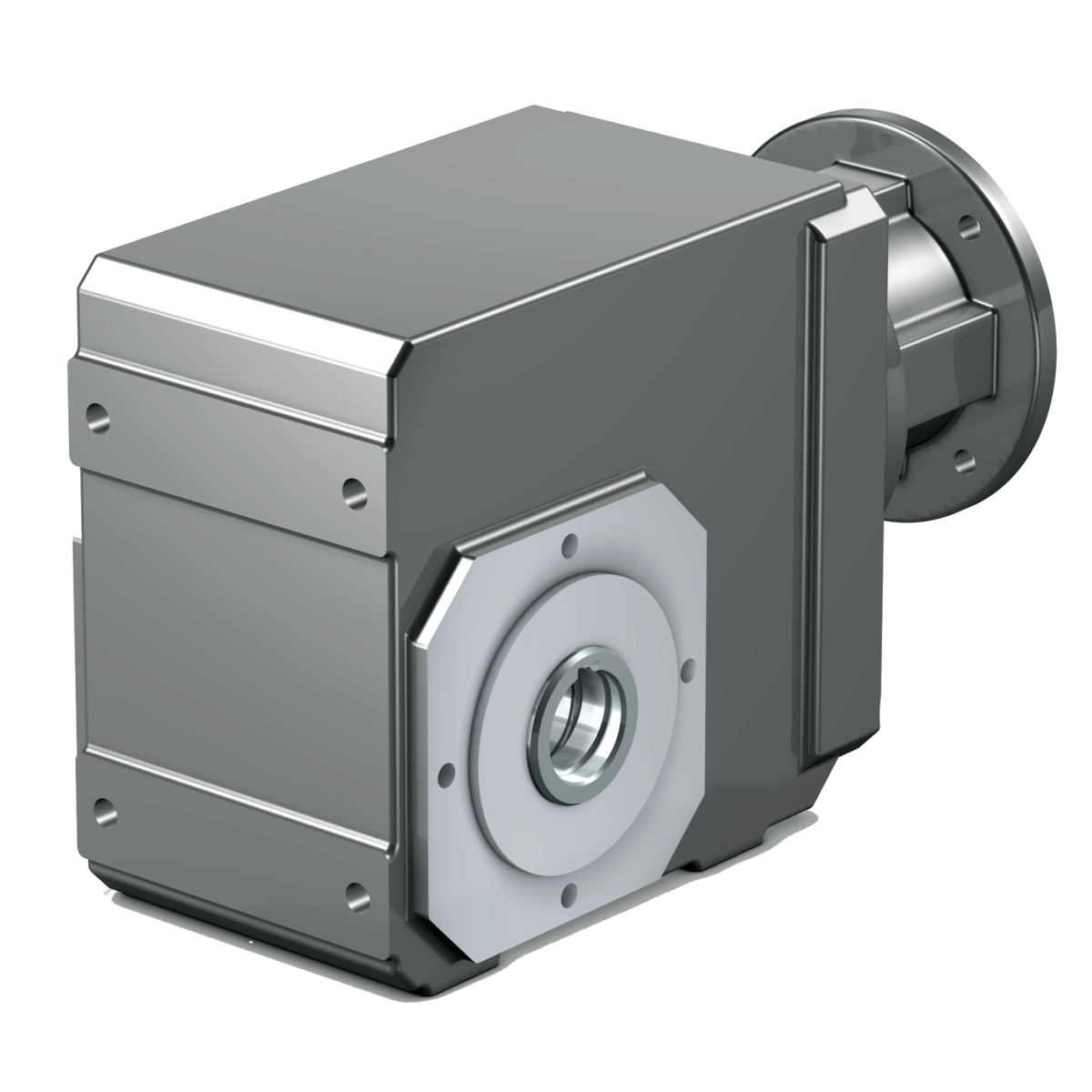
Learn how gearboxes change speed and torque, compare common designs, and review selection and maintenance factors for industrial motion systems.
- Tags accuracy, america, assembly, automation, automotive, backlash, bearing, blog, build and ship in one day, clean, clean motor, clean system, compatibility, configurator, connection, customer service, delivery, design, drive, efficiency, eliminate downtime, emergency support, endat, engineering, food and beverage, food manufacturing, food processing, Frequently Asked Questions, gear, gear backlash, gear reducer, gear unit, gear units, gearbox, gearbox maintenance, gearbox oil, gearbox service, geared, geared motor, geared motors, gearing, harsh cleaning, helical, industrial gearbox, industrial gearbox repair, ip69k, IPPE, Kentucky, kss, KSS gearbox, lead time, lean motor, lubrication, machining, manufacturing, maysville, mechatronics, motion control, motor, motors, mounting options, oil, oil leaks, output, overhung load, packaging, planetary, planetary gearbox, power transmission, precision, premature failure, quick delivery, rack, reduction, relationship, reliability, repair, robotic, service, servo, servo motor, servo motors, shaft, stainless steel, STOBER, stober drives, success, supply chain, three-year warranty, tools, torque, united states, warranty, washdown, water ingress