
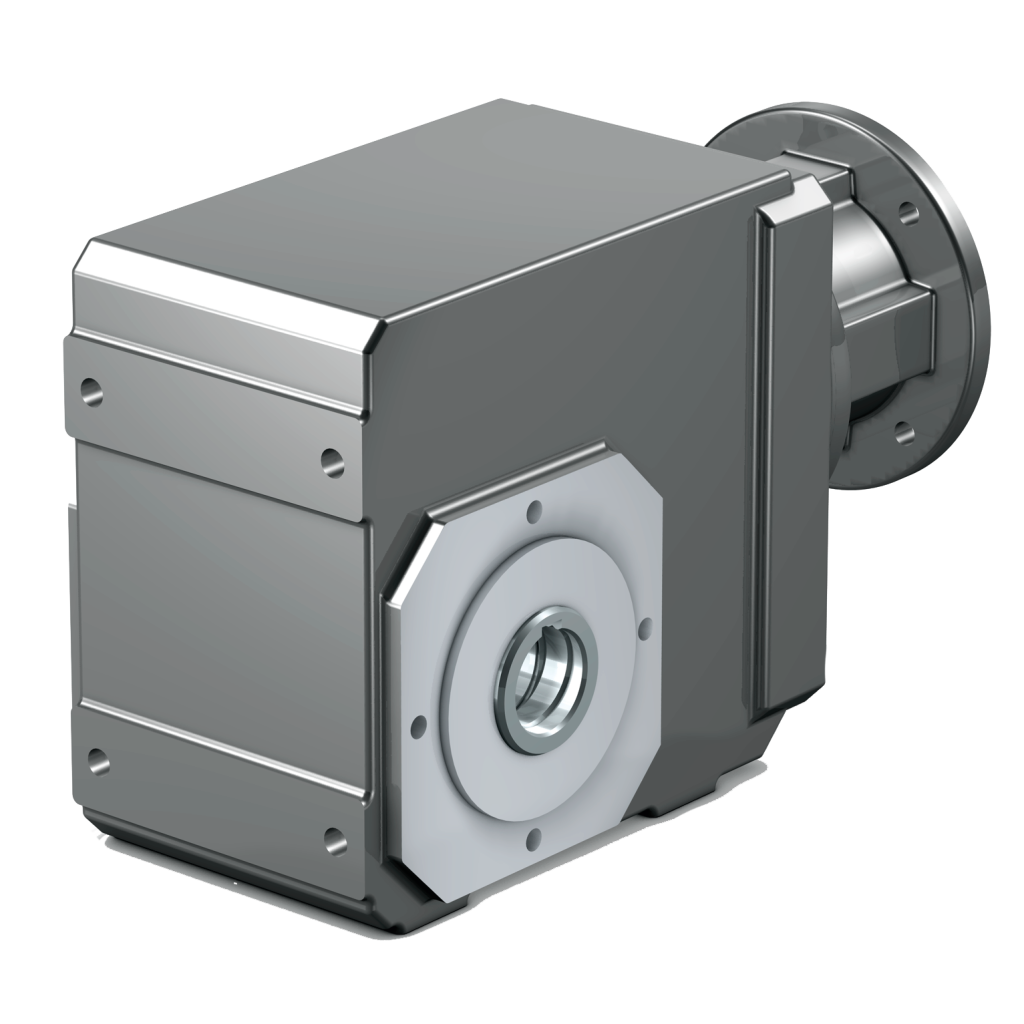
Choosing the right gearbox involves more than selecting the appropriate size, ratio, and torque capacity. The output shaft connection also plays an important role in how easily the gearbox can be installed, how it performs during operation, and how well it fits the application.
Three common hollow-type output shaft options are the keyed hollow bore, wobble-free bushing, and shrink ring. Although each option connects the gearbox directly to the driven shaft, they offer different advantages depending on the application’s torque, motion, alignment, and inventory requirements.
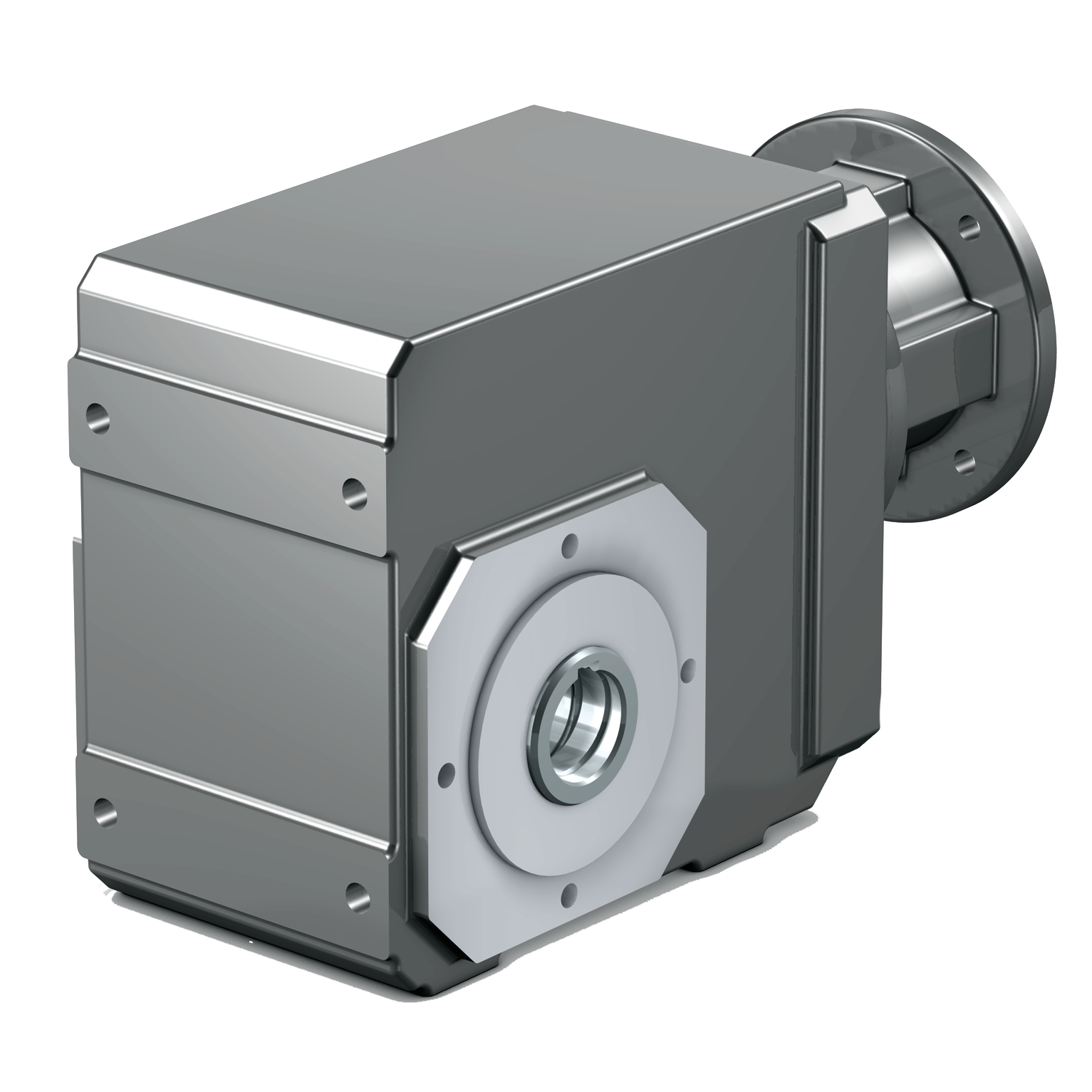
Keyed hollow bore
A keyed hollow bore is a practical choice for applications where ease of assembly is a priority. It is well suited for transmitting torque in one direction. It can also support bidirectional operation when the motion is not cyclic.
This option includes a keeper plate that helps with assembly and removal. It is available in both metric and imperial configurations, giving machine builders flexibility when matching the gearbox to the driven shaft. Rifling inside the shaft also helps provide anti-seize protection.
A keyed hollow bore does require some alignment, which may involve precision grinding or other alignment considerations. The connection is also limited to the selected output size. Because of these characteristics, it may not be the best choice for applications with frequent, cyclic changes in direction.
A keyed hollow bore may be the right fit when:
- Torque is primarily transmitted in one direction.
- Ease of assembly and removal is important.
- Metric or imperial sizing is required.
- The application does not involve cyclic, bidirectional motion.
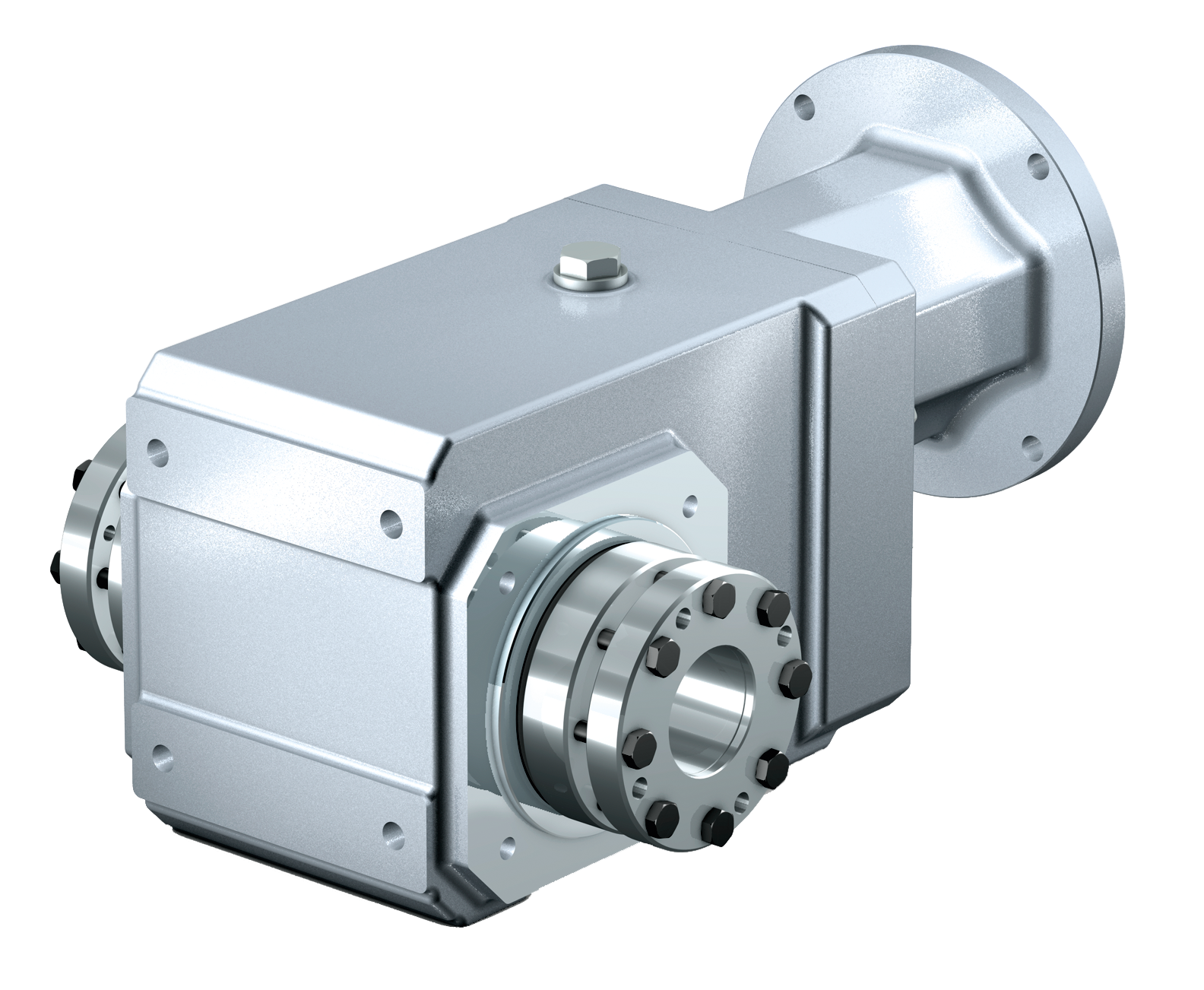
Wobble-free bushing
A wobble-free bushing is designed for applications where a less precise shaft or alignment method is desired. It can also help simplify inventory by allowing one gearbox unit to work with multiple bushing kit sizes.
Like the keyed hollow bore, the wobble-free bushing is available in both metric and imperial options. Its friction-locking fit does not add backlash, and the bushing can be removed from the shaft without cutting. These characteristics can make installation, removal, and inventory management more convenient.
Mounting conditions should still be evaluated carefully. A rigid mounting arrangement can cause premature failure, so the connection and surrounding machine design must be considered when determining whether this option is appropriate.
A wobble-free bushing may be the right fit when:
- Inventory reduction is a priority.
- One gearbox may need to accommodate multiple bushing sizes.
- A less precise shaft or alignment method is preferred.
- Easy removal without cutting is important.
- The application requires a connection that does not add backlash.
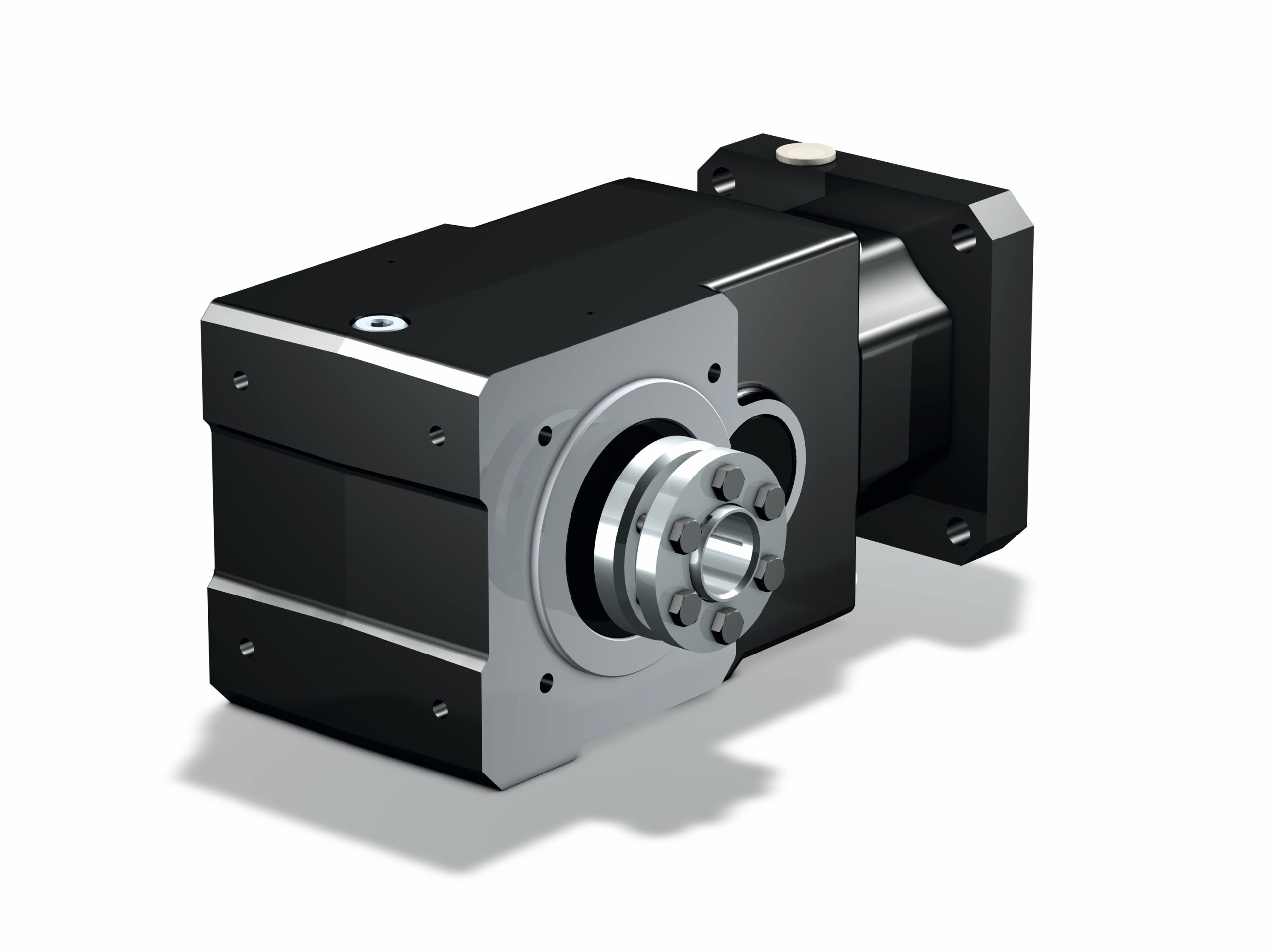
Shrink ring
A shrink ring is a strong option for applications requiring high torque transmission and cyclic motion. It supports bidirectional operation and uses a friction-locking fit that does not add backlash.
These capabilities make the shrink ring particularly useful when the gearbox must repeatedly transmit torque in both directions. However, the connection requires alignment, which may include precision grinding or other alignment considerations. The available connection is limited to the selected output size, and shrink rings are offered only in metric configurations.
A shrink ring may be the right fit when:
- The application requires high torque transmission.
- Cyclic, bidirectional operation is necessary.
- The connection must not add backlash.
- A metric configuration is appropriate for the machine design.
Choosing the right connection
The best hollow-type output shaft depends on how the machine will operate and how the gearbox will be installed.
Choose a keyed hollow bore when straightforward assembly is a priority and the application primarily transmits torque in one direction. Consider a wobble-free bushing when inventory flexibility, easier removal, or the ability to use multiple bushing sizes is important. Select a shrink ring when the application requires high torque transmission and repeated bidirectional motion.
Alignment, shaft dimensions, mounting conditions, direction changes, and torque requirements should all be evaluated before making a final selection.
Need help selecting the right output shaft?
Every application has different motion, mounting, and performance requirements. The STOBER team can help you compare gearbox configurations and identify the hollow-type output shaft option that best fits your machine.
Contact us at (888) 786-2371 or email sales@stober.com to discuss your application.

 How to choose the right hollow-type output shaft for your application
 Eight warning signs that you need industrial gearbox repair
 STOBER recognized as Maysville Area Chamber’s Large Business of the Year
 Can you repair a gearbox? Signs, costs, and next steps