
Rebuilding a gearbox can be a great solution when an industrial drive shows wear but still has a serviceable housing and usable core components.
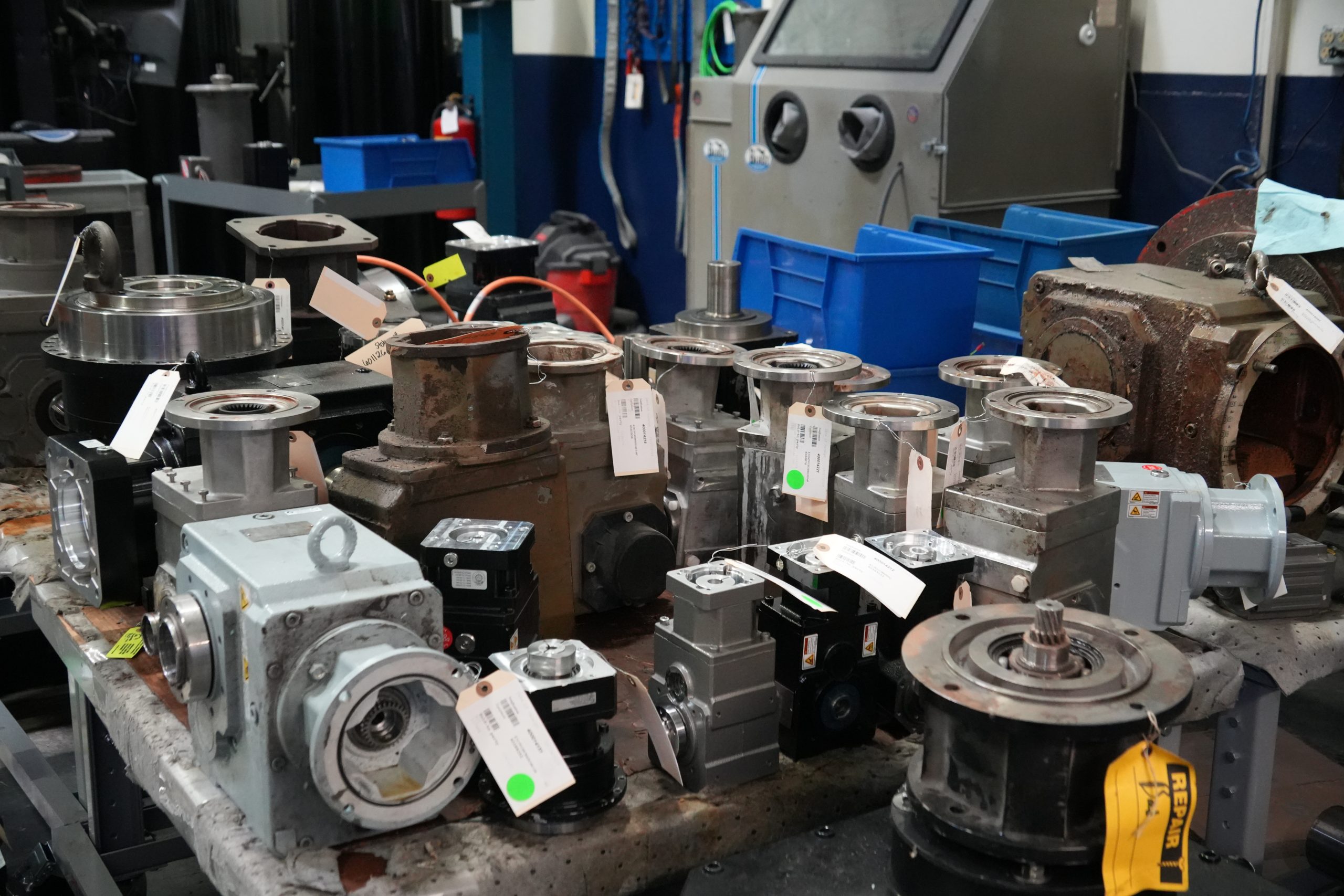
Any successful gearbox rebuild begins with inspection and root-cause analysis, followed by disassembly, measurement, component replacement, assembly, and testing.
Why gearbox failure requires a strategic response
Gearbox failure can disrupt production and damage connected equipment if a compromised unit keeps running; secondary damage to gears, bearings, shafts, seals, or housings increases the gearbox repair costs.
Maintenance teams need to carefully inspect what failed, why it failed, and whether rebuilding or gearbox replacement provides the better long-term result.
Initial inspection before rebuilding a gearbox
Before removing the unit, record what the machine was doing when symptoms appeared. Log notes on vibration, noise, temperature, lubricant condition, load history, and recent maintenance.
Oil leaks, rising heat, severe vibration, or grinding noises can justify stopping equipment before further damage develops. Keeping a well-documented record helps technicians compare pre-failure conditions to findings from the teardown, pinpointing any patterns in need of attention.
Failure analysis: Finding the root cause
Replacing a damaged bearing or gear without determining the cause is likely to lead to repeat failure.
Lubrication problems, contamination, overload, misalignment, installation errors, and shock loading can all shorten component lifespan. Excessive backlash or incorrect bearing preload can also lead to premature damage.
Technicians should closely compare wear patterns, operating history, lubricant condition, alignment, and loading to land on the root cause.
Gearbox failure warning signs
The biggest red flags are abnormal vibration, rising temperatures, unusual noise, and lubricant leaks. A change in sound could mean damaged teeth or bearings, while higher heat often indicates friction, overload, or lubrication issues.
Tracking these changes over time can help teams schedule inspection before damage worsens.
The gearbox rebuild process
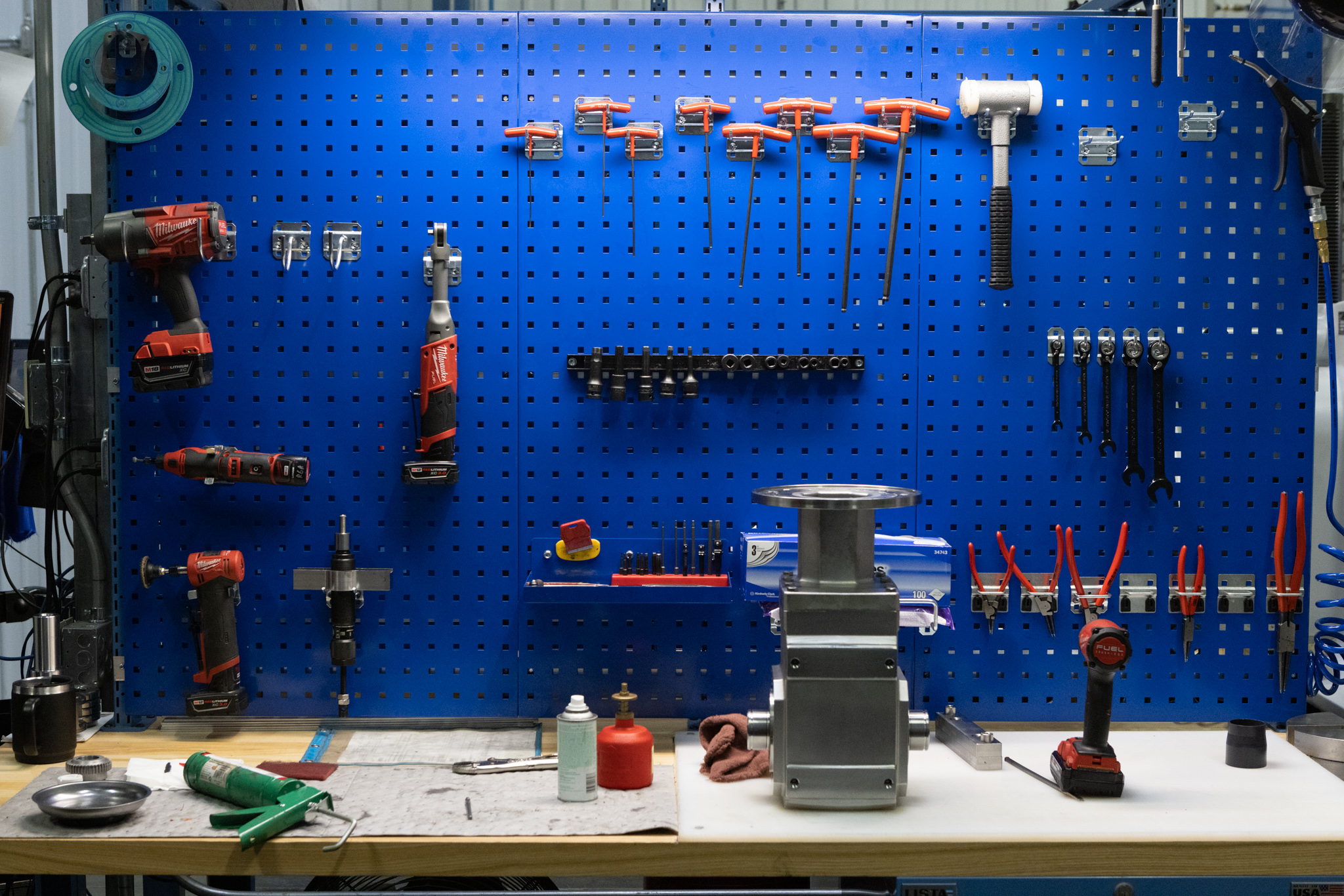
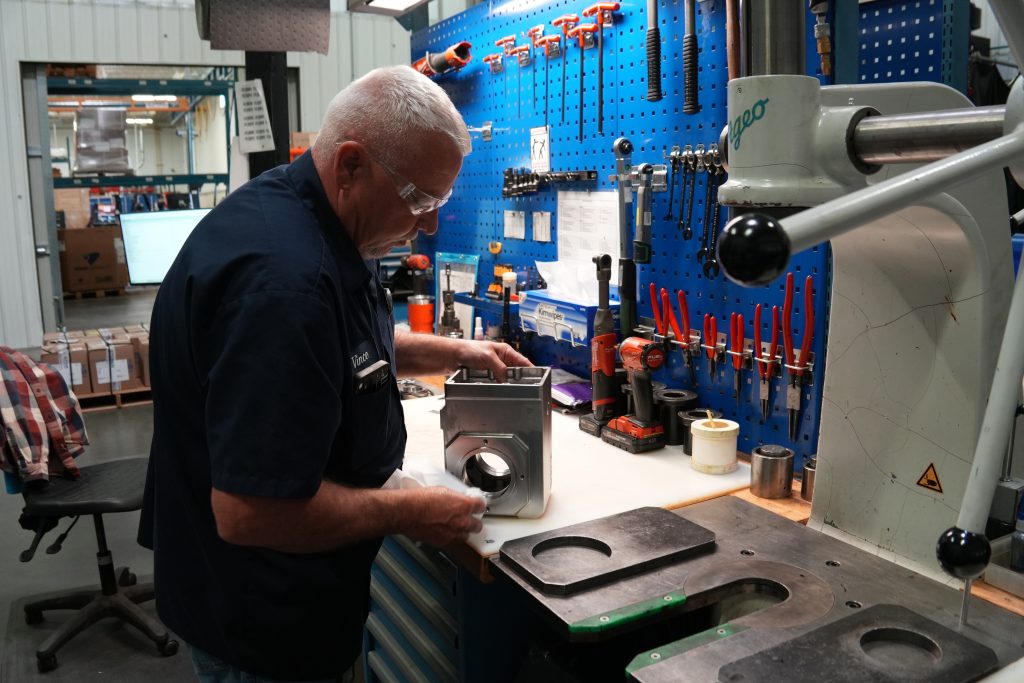
A proper rebuild entails a complete disassembly. Technicians need to clean components before measuring and inspecting gears, shafts, bearings, seals, housings, and backlash. Precision tools are then used to check runout, clearances, wear, and model-specific tolerances.
Rebuilding gearbox components
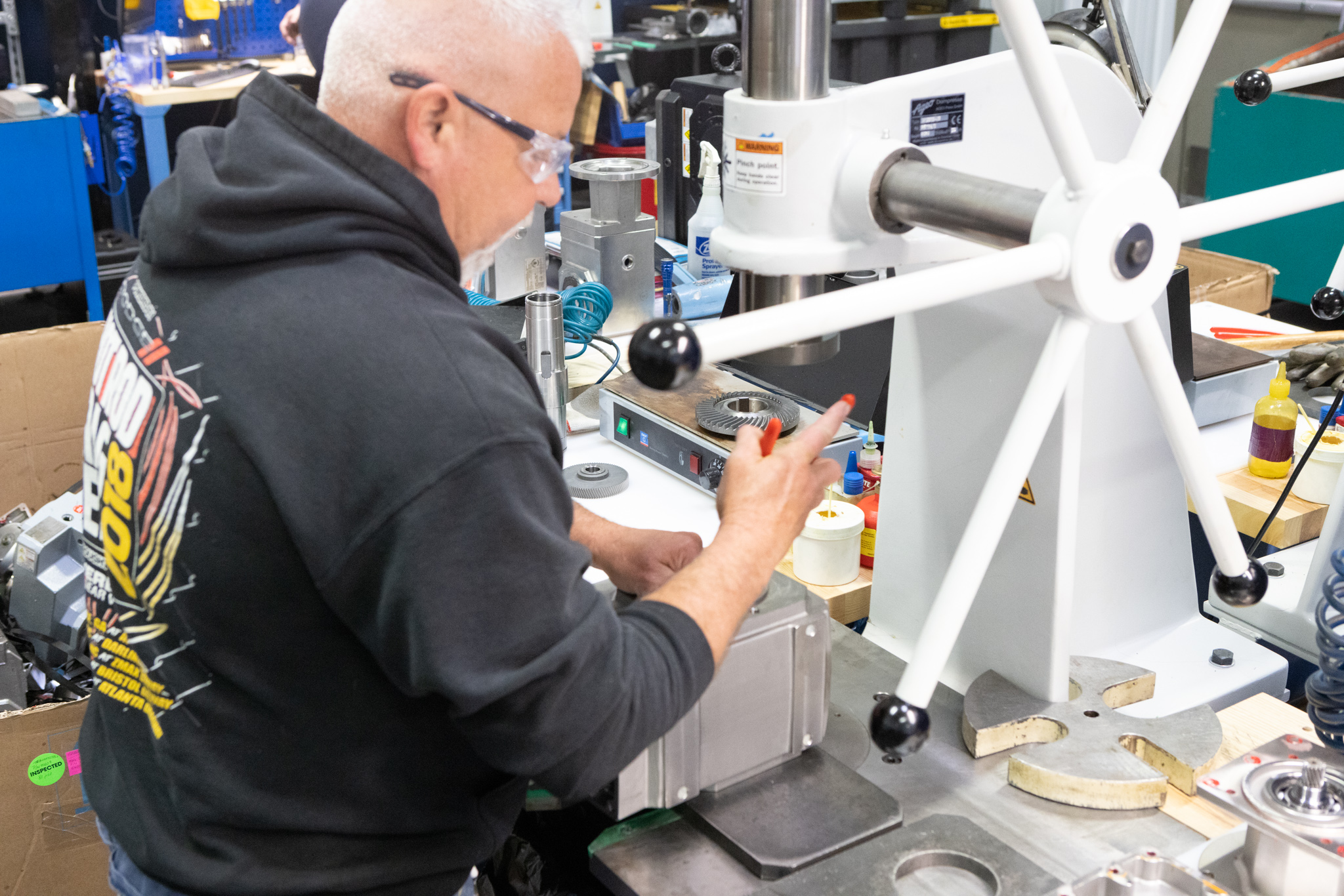
Reusable parts can be restored when machining will return them to required tolerances. Worn shafts or bearing bores may require machining or replacement, while damaged gears may be repaired or replaced depending on the type and extent of damage. Press-fit bearings should be installed using appropriate tools and methods, such as mechanical presses or controlled heating, depending on the bearing type and specifications. Confirm alignment before the final assembly.
Replacement parts used during gearbox repairs
Bearings, seals, gaskets, and shims are all typical replacement items during an industrial gearbox repair. Parts should always match the original specifications, and technicians should follow the service manual, since torque values, preload settings, clearances, and assembly procedures range across models.
Testing after industrial gearbox repair
Final assembly calls for careful torque control, as excessive or uneven torque can damage threads or distort covers. Technicians should make sure to verify shaft endplay, bearing preload, and gear backlash before testing; a no-load spin test can reveal binding, noise, or vibration, and temperature and lubrication checks add further assurance.
Gearbox rebuild or gearbox replacement?
The right decision comes down to condition, cost, timing, and application needs. Rebuilding can preserve existing mounting dimensions and limit changes to surrounding equipment. However, severe housing damage, unavailable components, or repeated failures can make replacement more practical. Recurring problems may indicate that the original gearbox no longer suits the application or that underlying issues, such as misalignment, contamination, or improper lubrication, have not been resolved.
How much does it cost to rebuild a gearbox? There is no universal price, with labor, machining, component damage, testing, and parts availability all shaping the total. Rebuilding can cost significantly less than purchasing a new gearbox, but actual savings depend on the unit’s condition, required repairs, and replacement costs. A written inspection and estimate provide the best basis for comparison.
Review the full repair estimate and consider the context of gearbox replacement costs, expected service life, downtime, and any performance gains a new unit could provide.
When a new industrial gearbox makes more sense
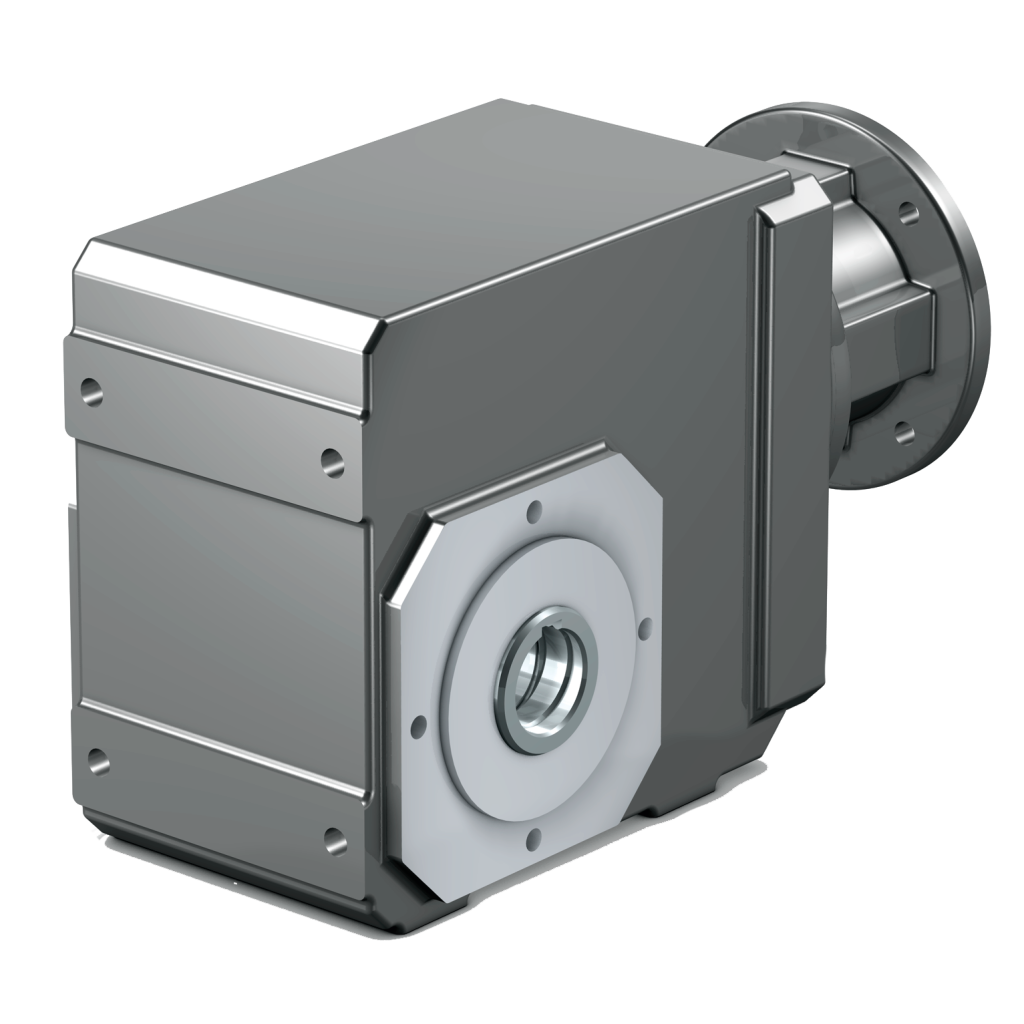
Replacement is wise when the housing is badly damaged, critical parts are obsolete, or the application has changed. Higher production demands might require different torque, speed, or service factors. Machine builders can also evaluate inline and right-angle configurations when layouts have changed.
STOBER precision gearboxes provide options for applications needing a new drive solution rather than another repair cycle.
How to minimize downtime during gearbox repairs
Planned inspections prevent maintenance from being a solely reactive process. Additionally, it helps to always keep critical replacement parts available and involve engineering support early on. STOBER offers troubleshooting, diagnostics, and repair services for its gear reducers, along with 24/7 emergency application and installation support.
Extending gearbox service life after a rebuild
Post-rebuild maintenance should include a documented lubrication schedule with the right oil for the gearbox and operating conditions. Vibration monitoring, alignment checks, and tracking temperature and noise periodically can reveal any developing problems. Clean handling and contamination control are also crucial, as dirty lubricant accelerates wear.
Frequently asked questions
Can every industrial gearbox be rebuilt?
No, inspection is needed to determine whether a rebuild is sensible. A cracked or severely damaged housing can eliminate the option of rebuilding, while obsolete gears, bearings, or other components can make sourcing too challenging or costly.
How long does a gearbox rebuild take?
Turnaround time is dependent on the damage, machining requirements, workload, and parts availability. Maintenance teams should request a written estimate and schedule before planning production around a specific date.
When should I choose gearbox replacement?
Go with replacement when rebuild costs approach the price of a new unit, the existing gearbox no longer matches the application, or damage prevents reliable restoration. An engineering review can confirm the required speed, torque, mounting, and operating conditions before a new gearbox is chosen.
Selecting the right gearbox solution
A sound decision starts with thorough inspection and failure analysis. When the underlying cause is corrected, rebuilding can restore a serviceable gearbox and retain an existing machine layout.
STOBER can help machine builders evaluate repair and renewal options based on production priorities. Contact STOBER by clicking the link below or calling (888) 786-2371 or emailing sales@stober.com.
 Rebuilding a gearbox for industrial applications
 How to choose the right hollow-type output shaft for your application
 Eight warning signs that you need industrial gearbox repair
 STOBER recognized as Maysville Area Chamber’s Large Business of the Year