
Gearboxes sit at the center of countless mechanical systems, but performance extends beyond torque and speed. Gearbox efficiency plays a major role in energy use, heat buildup, and long-term reliability, so even minor issues can lead to noticeable energy loss over time.
Below, we’ll break down how efficiency is calculated, where losses come from, and how you can improve performance in real-world applications.
What is gearbox efficiency and how is it calculated?
Definition and core formula
Gearbox efficiency measures how effectively a gearbox transfers input power into usable output power. It’s a key part of overall mechanical efficiency.
- Efficiency = output power ÷ input power
The result is expressed as a percentage, and the difference between input and output is lost energy, mostly caused by friction inside the gearbox. Knowing how to calculate gearbox efficiency starts with this formula, but real performance depends on operating conditions.
Primary sources of loss
Every gearbox experiences internal losses, and most of that lost energy turns into heat. This ties directly to gearbox heat generation and heat dissipation requirements.
The most common contributors include:
- Gear tooth friction losses
- Bearing friction
- Seal drag
- Lubricant churning
Together, these define overall gearbox friction losses.
Impact of gear type
The gear type used has a direct impact on gear efficiency.
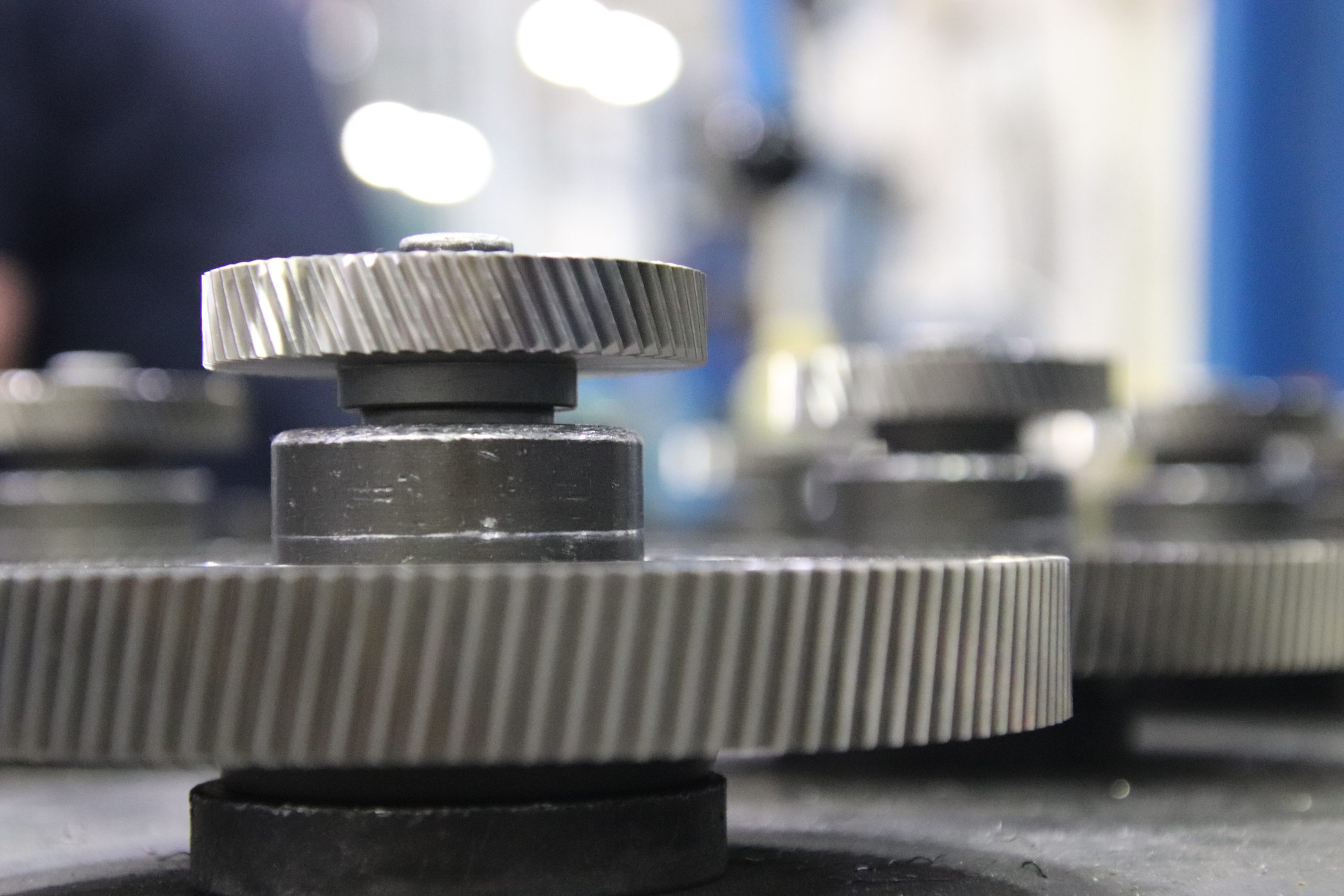
A helical gear, used in a helical gearbox, allows smoother engagement and reduced friction. A worm gearbox operates with more sliding contact, leading to higher losses. A planetary gearbox offers a compact design with strong efficiency.
Understanding the types of industrial gearboxes helps explain why efficiency varies across applications. It’s also important to consider efficiency per gear mesh, since each stage introduces a small loss.
Rule-of-thumb vs. real-world performance
Published values are often based on standard assumptions, but industrial gearbox efficiency factors vary in practice.
Actual gearbox efficiency under load depends on alignment, lubrication, and operating conditions. Two similar units can perform differently depending on how they’re used, especially in variable-speed or fluctuating load environments.
Key factors that influence gearbox efficiency in real-world applications
Load and operating conditions
Load directly affects gearbox load efficiency. Gearboxes typically perform best near their intended range. Running below optimal load increases the impact of internal friction, while overloading increases heat and wear. Getting this balance right is essential when planning gear reduction in gear systems.
Gear ratio selection
Gear ratio influences both performance and losses. Higher ratios often require multiple stages, increasing cumulative loss. Choosing the right ratio is a key part of gearbox efficiency optimization strategies.
Backlash and gear quality
Precision manufacturing improves efficiency, ensuring smoother meshing and less vibration. Tooth geometry and surface finish also affect gear tooth friction losses, especially in demanding conditions.
Lubrication strategy
The gearbox lubrication impact on efficiency is significant. Proper lubrication reduces friction, but it must be balanced. Correct viscosity is a must: too much increases drag, while too little increases wear.
Thermal effects and sealing and bearing selection
Heat can quickly reduce efficiency. As temperatures rise, lubrication becomes less effective, increasing friction and making gearbox thermal management important. Seal design and bearing selection also affect losses. In fact, rising heat may be a sign it’s time to replace the gearbox.
How to improve gearbox efficiency and reduce energy loss
Design-level improvements
Efficiency starts with smart design. Choosing efficient configurations – like helical or planetary systems – helps reduce losses from the start. Reducing the number of stages and optimizing gear geometry also supports reducing power loss in gearboxes.
System-level optimization
Matching the gearbox to the application is essential. Proper sizing and accurate load calculations prevent inefficiencies caused by underloading.
Tools like our efficiency savings calculator can help you identify opportunities for improving industrial gearbox efficiency and comparing different configurations before implementation.
Maintenance and lifecycle impact
Efficiency changes over time as components wear. Regular maintenance helps maintain gearbox efficiency under load and avoid excess friction. Routine inspections, lubrication checks, and monitoring temperature trends can catch issues early and prevent performance decline.
Why efficiency improvements matter
Small efficiency gains can deliver real benefits:
- Lower energy consumption
- Reduced heat and improved gearbox thermal management
- Longer component life
These advantages are especially important in systems using advanced motion control products, where consistency matters.
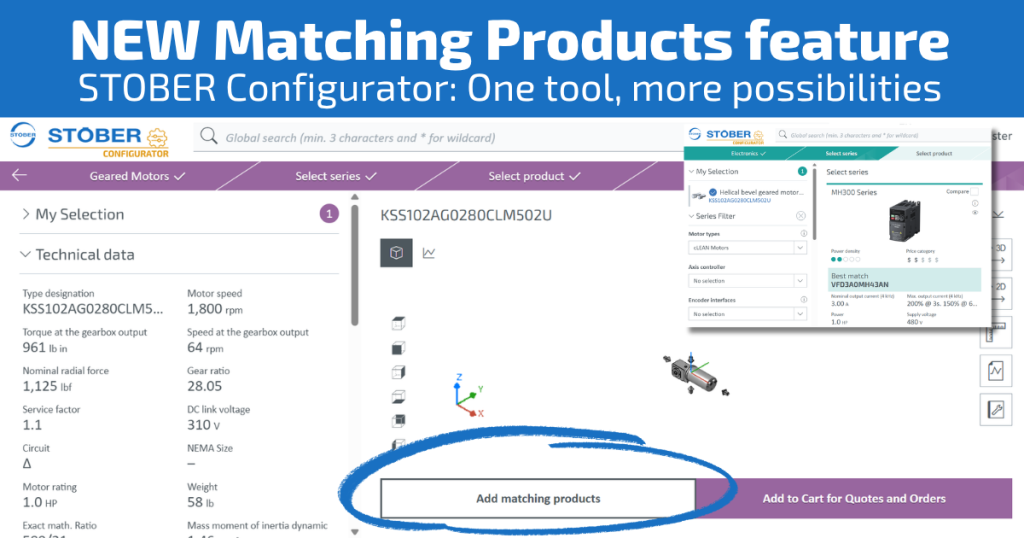
Improving performance means evaluating the full system (design, load, and maintenance). Tools like the STOBER Configurator can help evaluate options and support better long-term efficiency, so you’re getting the most out of every watt your system uses.

 Can you repair a gearbox? Signs, costs, and next steps
  Introducing the cLEAN Integral Unit: A compact washdown drive solution for OEMs
  One tool, more possibilities: Discover complete STOBER solutions with new Matching Products feature
  What are the main components of a gearbox?