
Learn how to select the right servo gearbox for your application. Discover key factors like torque, ratio, backlash, efficiency, and reliability—plus why STOBER gearboxes deliver unmatched performance and uptime.
Servo gearboxes are at the heart of many high-precision motion control applications. Whether you’re designing for robotics, packaging, material handling, or machine tools, the gearbox plays a critical role in achieving accuracy, speed, and efficiency. But with so many options available, how do you know which gearbox is the right fit for your application?
At STOBER, we’ve spent decades engineering servo solutions that deliver reliability and performance. Read more to learn about the key factors to consider when selecting the perfect servo gearbox.
Defining application requirements before selecting a gearbox
Before comparing torque ratings, gearbox efficiency, gear ratio, or housing styles, begin by defining the full application profile. Selecting the right gearbox depends on how it will operate inside the complete motion system, not one performance number on a data sheet.
Start with the load: Is it constant, variable, or shock-loaded? A conveyor with a steady load has different gearbox sizing needs than an indexing table, lift axis, or packaging machine that sees frequent starts, stops, and direction changes. Load type influences the torque demand, bearing stress, thermal performance, gearbox load capacity, and long-term gearbox life.
Determining the motion profile
Next, determine the motion profile; rotary or linear, continuous or intermittent, horizontal or vertical. Travel distance, positioning accuracy, cycle rate, acceleration, deceleration, and dwell time all play into the gearbox selection process. For high precision applications, the fine details are especially important since small motion control errors create repeatability concerns.
In servo motor applications, dynamic behavior matters just as much as static load; acceleration and deceleration often create higher peak torque demands than steady-state operation. Start-stop frequency also affects duty cycle requirements and heat generation, so if the inertia mismatch between the motor and load is too high, the system might be more likely to experience vibration, overshoot, or reduced responsiveness. The right industrial gearbox brings the reflected load inertia closer to the motor’s preferred operating range.
Choosing a system architecture
System architecture should also shape the selection. Available space, axis orientation, input speed requirements, motor frame size, shaft style, and gearbox output style can help narrow the field down quickly. For example:
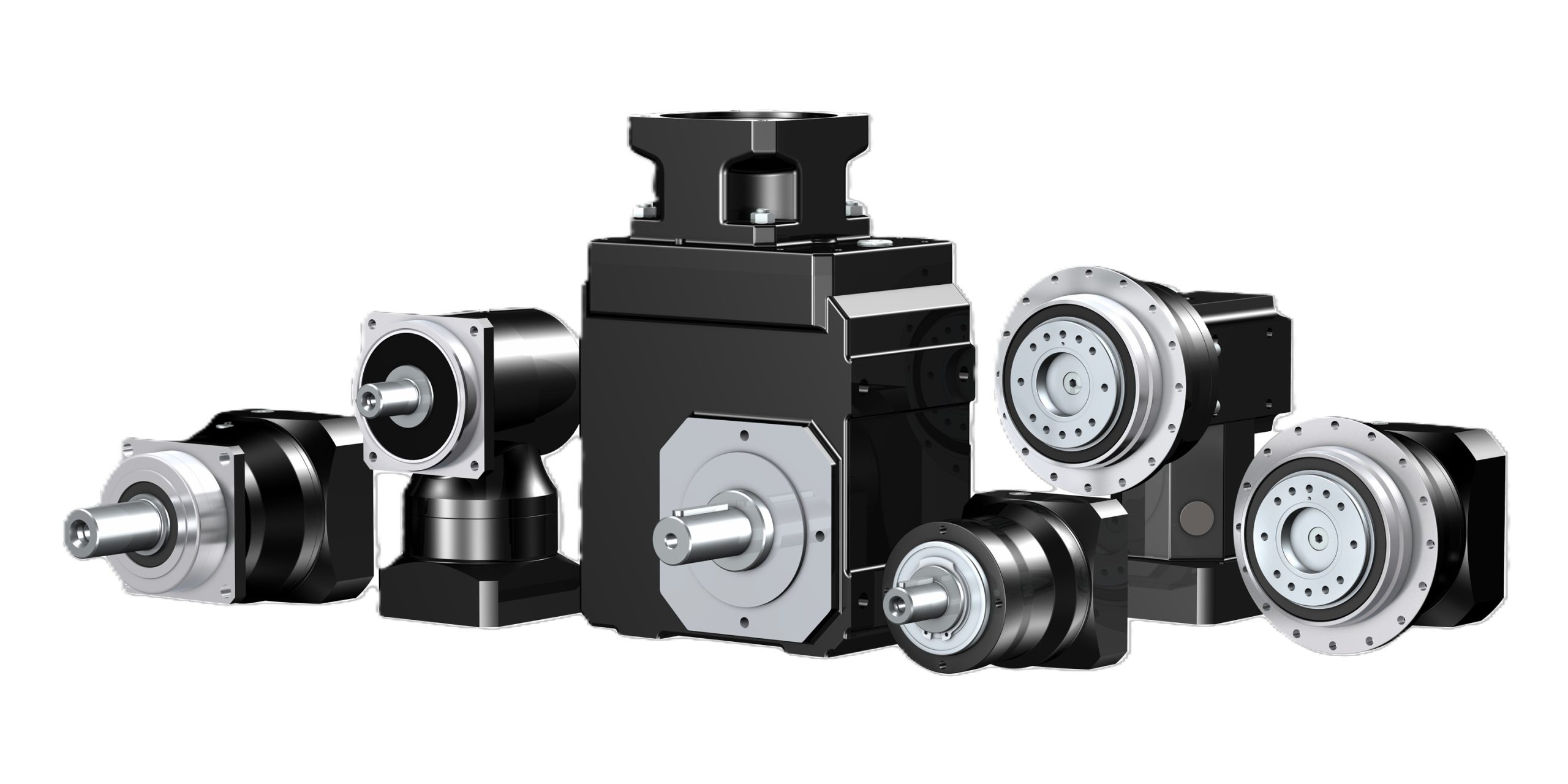
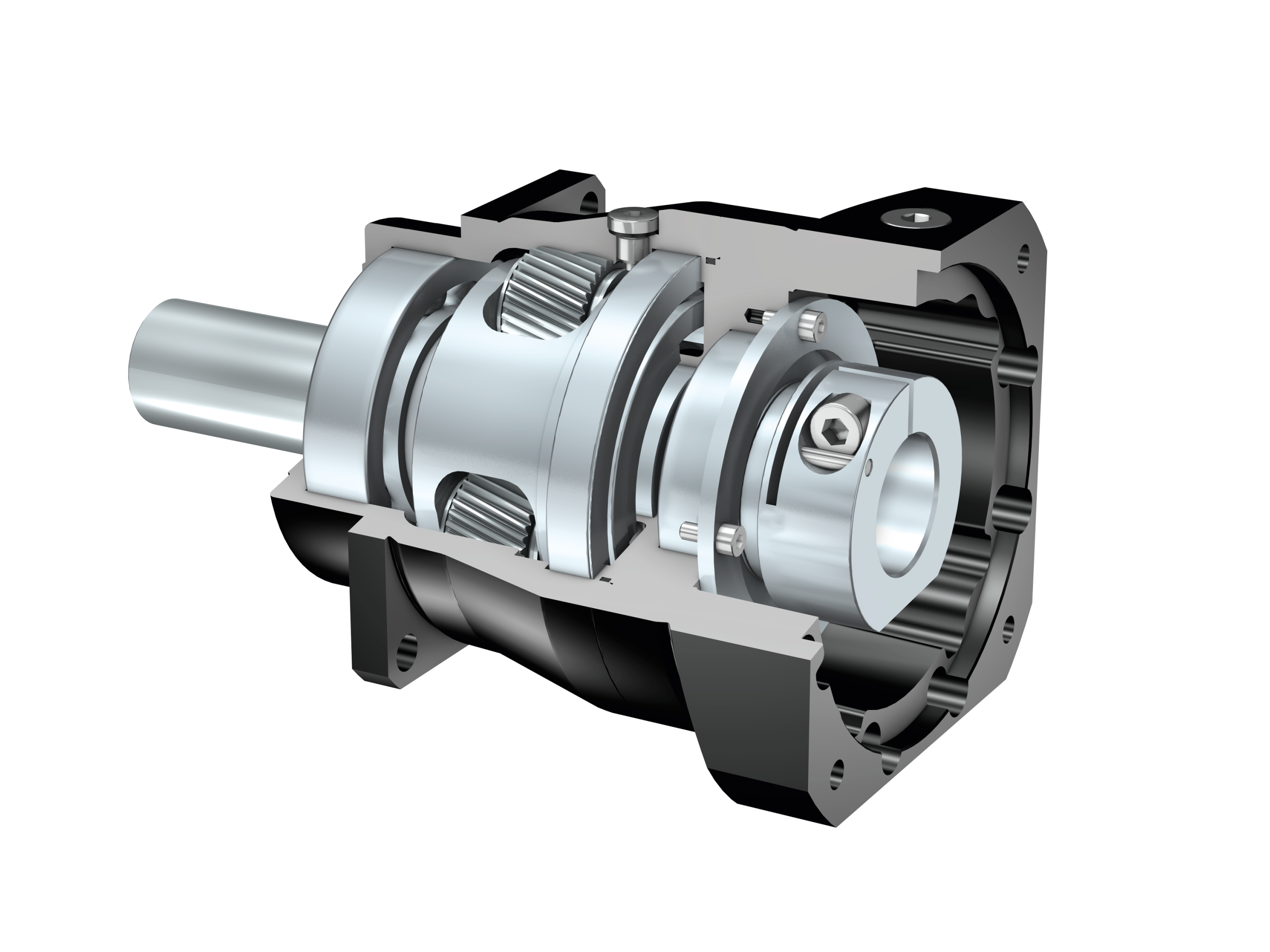
- A planetary gearbox is a strong fit when an application calls for compact size, high torque capacity, and low backlash. Planetary gearboxes are used in precise motion systems because they combine torque density with strong positioning control.
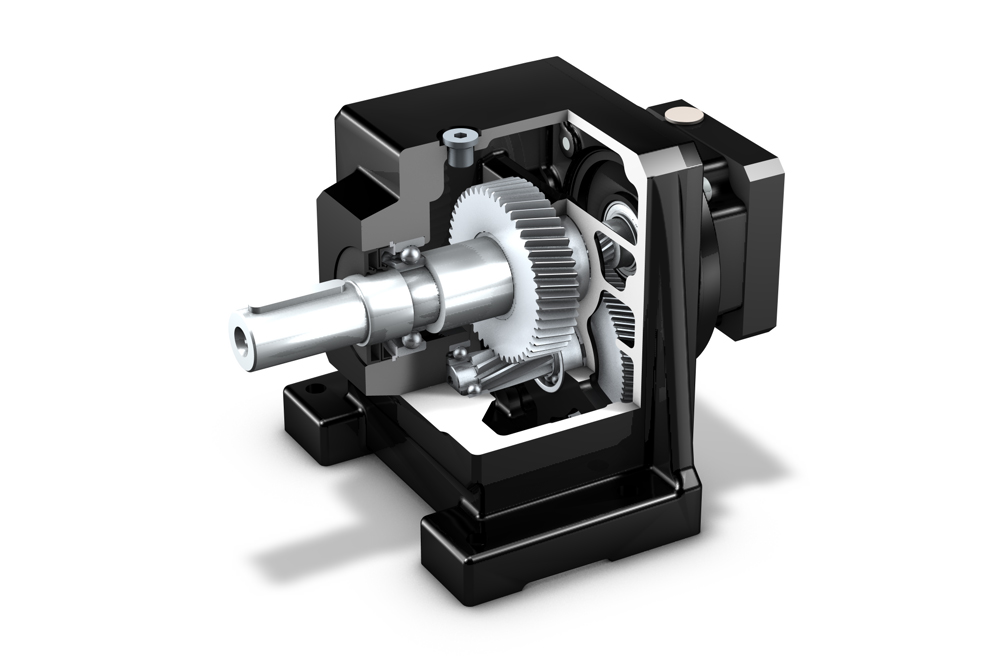
- A helical gearbox might be preferred for smooth operation and efficiency in higher-speed applications, while helical gearboxes are often used where quiet operation and efficient power transfer are top priorities.
- A worm gearbox or right-angle reduction gearbox helps when space is limited or the machine layout requires a 90-degree power path, although worm gearboxes should be reviewed carefully for heat buildup.
Mounting configurations also matter for industrial applications of gearboxes, as the gearbox must fit the machine layout without forcing redesigns.
Taking the time to outline these inputs reduces the risk of mis-sizing. An undersized gearbox will fail early, overheat, or require more frequent maintenance, while an oversized gearbox will add unnecessary cost, weight, and space. Complete application profiles give engineers a stronger foundation for evaluating torque, ratio, backlash, gearbox efficiency, and reliability.
1. Torque requirements
The first step is determining the torque your application demands. Torque defines the gearbox’s ability to handle load. Undersizing can lead to premature wear or failure, while oversizing can mean unnecessary cost and bulk. Look at both peak torque, the short bursts needed during acceleration or sudden load changes, and continuous torque, or what your system requires under steady operation.
2. Speed and ratio
The gearbox ratio determines output speed and torque multiplication. A carefully chosen ratio ensures your servo motor operates in its optimal speed range. A ratio that’s too low may cause the motor to overwork, while a ratio that’s too high may limit responsiveness. Consider application dynamics (acceleration, deceleration, duty cycle), maximum input speed, and desired output speed when selecting a ratio.
3. Precision and backlash
In high-performance automation, backlash—the slight movement between gear teeth—can make or break accuracy. Low-backlash gearboxes are essential for robotics, CNC, and packaging machines that require precise, repeatable positioning. STOBER offers gearboxes with backlash as low as ≤1 arcmin, ensuring precise motion and maximum productivity.
4. Efficiency and heat management
Every gearbox generates losses, but high efficiency reduces heat buildup, lowers energy costs, and extends system life. When evaluating options, remember to check both mechanical efficiency and how the gearbox handles thermal loads during long-duty cycles.
5. Environmental considerations
The operating environment has major influences on gearbox design. Washdown or food-grade applications require stainless steel housings and sealed designs. Harsh or abrasive conditions need rugged housings and special lubrication and compact machinery or environments may need right-angle gearboxes to help save space.
6. Integration and flexibility
A good servo gearbox should integrate easily into your system due to its multiple mounting options, compatibility with different servo motor brands and shaft sizes, and availability of both inline and right-angle designs. Choosing a versatile solution reduces spare parts inventory and simplifies future upgrades.
7. Reliability and service life
Downtime is costly. Look for gearboxes with the following features:
- High-quality components and bearings
- Long maintenance-free service life
- Strong warranties (STOBER offers up to three years, triple the industry standard)
How to evaluate trade-offs in gearbox design
After assessing torque, speed, ratio, backlash, efficiency, environment, integration, and service life, the ultimate decision comes down to the trade-offs. Gearbox selection criteria are rarely about maximizing every specification; it’s a matter of finding the gearbox that fits the most important outcomes, whether that’s precision, throughput, uptime, compact design, washdown performance, or cost control.
Rank the requirements that matter most to you. For robotics, CNC equipment, and other high precision applications, low backlash and repeatability tend to take priority. For material handling systems, load capacity, durability, and continuous duty operation matter more. For packaging lines, speed, uptime, and fast replacement might be deciding factors. In harsher environments, sealing, lubrication, and housing material carry more weight.
Common trade-offs are precision versus cost, ratio versus speed response, and compact size versus thermal performance. Lower backlash usually requires more advanced gearing and tighter manufacturing tolerances, which can increase upfront cost. Higher gearbox ratios provide greater torque multiplication, but they also reduce output speed and change how quickly the axis responds. Compact gearboxes save space, but the smaller housing must still handle the necessary torque, heat, and bearing loads.
Planetary gearboxes are suited for compact servo applications that demand high torque density and precise motion. Helical gearboxes are known for smooth, efficient power transmission, making them a strong fit for higher-speed industrial systems. Worm gearboxes are useful for right-angle layouts and certain holding requirements, but they have lower efficiency than planetary or helical designs.
Lifecycle value should factor into the decision. While a lower-cost gearbox might look attractive at purchase, the downtime, repairs, premature replacement, energy loss, and maintenance time can quickly wipe out the savings. Picking a gearbox with higher efficiency, better thermal performance, longer service life, and stronger technical support can meaningfully reduce total cost over time.
Also, account for system optimization. The best gearbox for industrial automation is the one that allows the full system to perform better, including motor efficiency, inertia matching, thermal behavior, mounting simplicity, spare parts planning, and ease of installation. A gearbox that’s technically strong can still create problems if it forces a poor motor match, complicates assembly, or adds avoidable maintenance work.
Before making a final decision, validate all the inputs. Confirm peak and continuous torque, input speed requirements, desired output speed, gear ratio, duty cycle, gearbox load capacity, mounting configuration, environmental requirements, and thermal limits. Digital tools, gearbox design software, configurators, and supplier engineering support can help verify the selection before the equipment is ever built.
Answer each of these questions:
- Does the gearbox meet both peak and continuous torque requirements?
- Is the gear ratio matched to the desired output speed and servo motor operating range?
- Does the backlash rating support the positioning accuracy?
- Can the gearbox handle the duty cycle and thermal load?
- Will the mounting configuration fit the machine design?
- Are the lubrication, maintenance, and troubleshooting requirements manageable for the team?
When these are answered clearly, engineers can make a confident final choice. Why STOBER?
At STOBER, we’re proud to be the Gold Standard in precision servo gearboxes. Our products are built for high performance, flexibility, and unmatched reliability. They’re even backed by expert support to help you select the perfect gearbox for your application.
Ready to find the right gearbox for your system? Contact our team to discuss your application and explore STOBER’s servo solutions at (888) 786-2371 or email sales@stober.com. Still researching? Use the link below to view our Power Tips about selecting the best gearbox for your needs.
 STOBER recognized as Maysville Area Chamber’s Large Business of the Year
  Can you repair a gearbox? Signs, costs, and next steps
 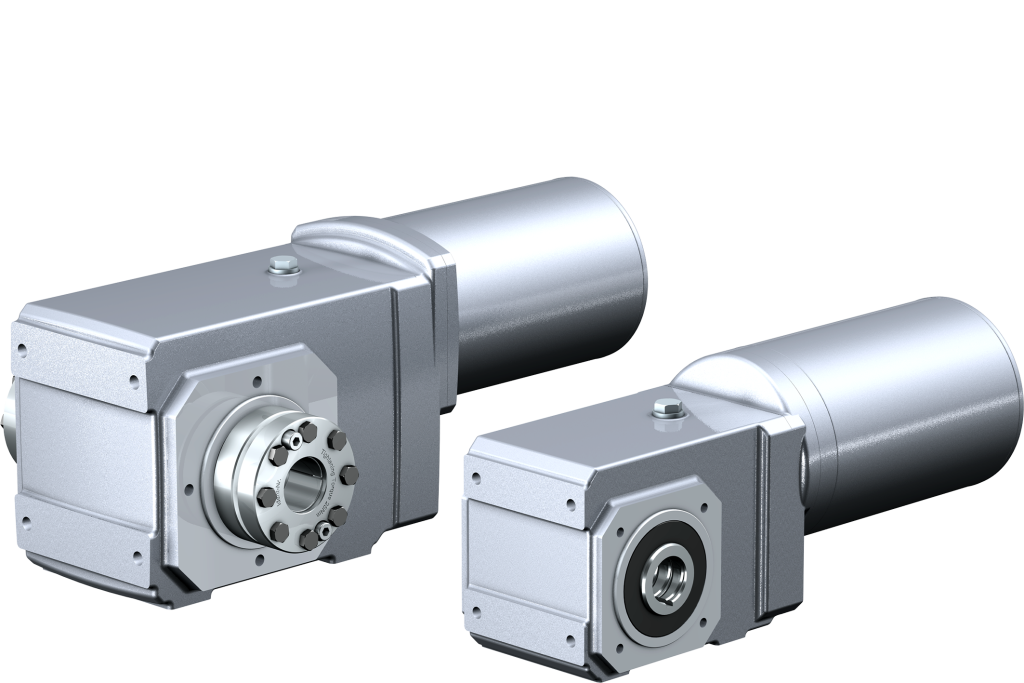 Introducing the cLEAN Integral Unit: A compact washdown drive solution for OEMs
 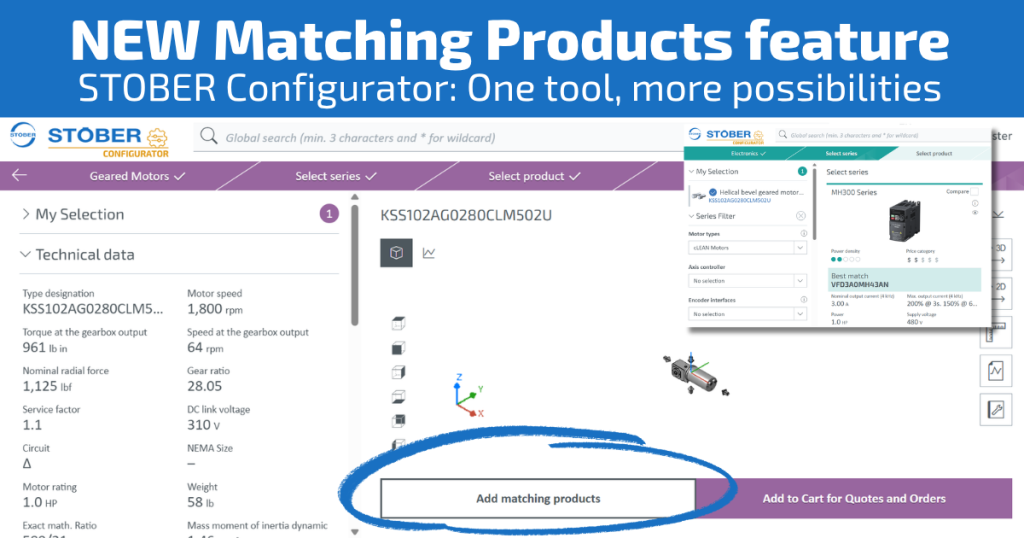 One tool, more possibilities: Discover complete STOBER solutions with new Matching Products feature