
When engineers evaluate a motion control solution, specifications are often the first place they look. Torque ratings, backlash values, efficiency, speed ranges—all of these numbers play an important role in narrowing down options.
But while specs are essential, they don’t tell the whole story.
In real-world applications, performance isn’t defined solely by what’s on a datasheet. It’s shaped by how a drive system is applied, supported, and integrated into the machine. That’s where application support makes the difference.
Specs don’t account for real-world complexity
Specifications are typically measured under controlled, ideal conditions. In actual production environments, those conditions rarely exist.
Machines accelerate and decelerate at high rates. Loads fluctuate. Duty cycles change. Environmental factors like washdown, temperature, and contamination introduce additional stress. Over time, even small deviations from the “ideal” scenario can impact performance and reliability.
Specs alone don’t account for:
- Dynamic motion profiles and shock loads
- Thermal buildup during repeated cycles
- Regenerative energy during deceleration
- Mounting orientation, inertia mismatch, or system stiffness
- Late-stage design changes that alter operating conditions
A drive system can meet every published specification and still underperform if it’s not properly sized and applied for the realities of the application.
Specs answer “what.” Application support answers “why—and what if.”
Specifications answer critical baseline questions about a motion system, such as how much torque a gearbox can handle, what speed range a motor can reach, or what level of backlash is acceptable for a given application. These details are essential for narrowing options and confirming that a component is capable of meeting basic performance requirements.
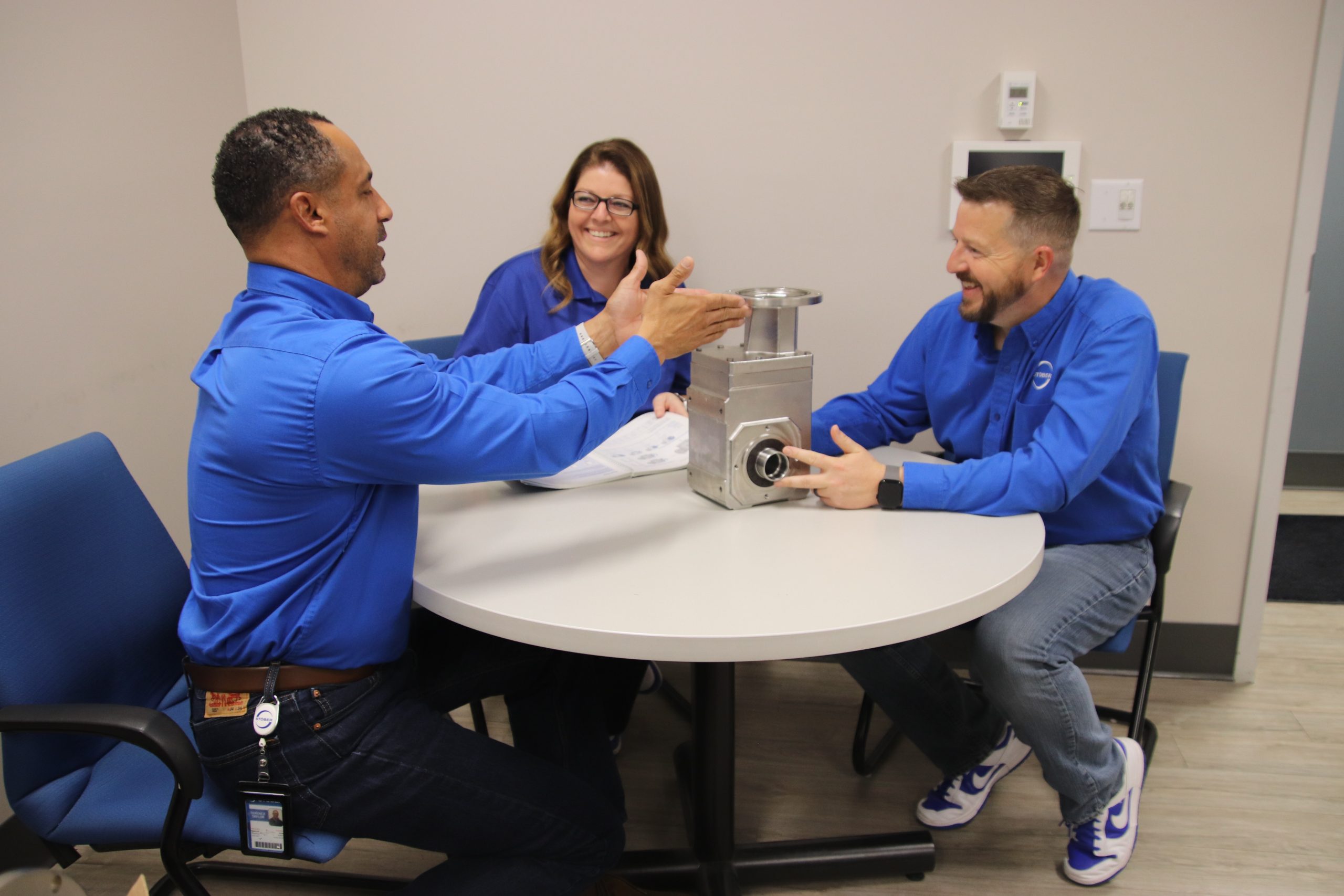
Application support goes beyond those numbers by examining why a motion profile exists and how the system will behave under real operating conditions. It considers what happens during startup, rapid acceleration, emergency stops, or frequent braking—and how those events affect long‑term reliability. Application support also looks ahead to potential changes, such as increased cycle rates, evolving product requirements, or shifts in the operating environment. By addressing those “what if” scenarios early, engineering support helps ensure the selected solution doesn’t just meet specifications, but continues to perform as intended throughout the life of the machine.
Application support helps prevent inherited problems
In many projects, motion control decisions are made early and passed along as the design progresses. By the time a machine is built, tested, or commissioned, it may already be too late to address underlying issues without costly changes.
Common inherited problems include:
- Oversized or undersized components
- Noise, vibration, or positioning inaccuracies
- Excessive wear due to misapplied service factors
- Performance limits that only appear under load or during peak cycles
Strong application support helps identify these risks early—before they become embedded in the design or passed on to the end user.
Why machine accuracy issues show up in the field
Machine accuracy issues rarely appear all at once. They show up as subtle changes that operators and maintenance teams notice before engineers do.
Parts drift out of tolerance. Indexing becomes inconsistent. Vibration increases during direction changes. In high-precision machines, these symptoms often point back to growing backlash in the drivetrain.
By the time accuracy problems become obvious, the machine is already underperforming compared to its original design intent.
A real-world example: When specs weren’t the problem
In one application, a machine builder selected a drive system that met all required specifications on paper. Torque, speed, and backlash were within acceptable limits, and the components appeared to be well suited for the motion task.
Once the machine was in operation, however, issues began to surface. During rapid acceleration and deceleration, the system experienced inconsistent performance and unexpected thermal buildup. These conditions weren’t reflected in the original specs, but they were critical to the machine’s real operating profile.
By reviewing the full application—including the motion cycle, duty requirements, and operating environment—engineering support helped identify where the system needed adjustment. Addressing those factors early prevented further performance issues and ensured the drive system was properly matched to how the machine actually ran, not just how it was expected to run.
What application support looks like in practice
Effective application support focuses on the system as a whole, not just individual components. Rather than evaluating motors, gearboxes, or drives in isolation, it takes into account how mechanical and electrical elements work together and how the system will behave across all operating conditions. This includes understanding the full motion profile, from startup through steady-state operation to braking and shutdown, and how those dynamics affect performance over time.
Strong application support also means validating assumptions early—such as acceleration rates, inertia matching, duty cycles, and environmental demands—before they create problems later in the build or commissioning process. In applications with washdown, harsh environments, or frequent cleaning cycles, these factors become even more critical. When changes occur late in the design process, application support helps adapt the solution without compromising reliability or performance. Ultimately, this system-level approach helps bridge the gap between theoretical specifications and real-world results.
The long-term impact: performance, uptime, and confidence
When application support is part of the selection process, the benefits extend far beyond initial installation.
Machines start up faster and more predictably. Commissioning goes smoother. Long-term reliability improves. Maintenance issues are reduced, and unexpected downtime becomes far less common.
Perhaps just as important, engineers and machine builders gain confidence knowing the drive system was designed specifically for their application—not simply selected based on a set of generic specifications.
Choosing a motion partner—not just a component
Motion control solutions are rarely plug-and-play. The most successful projects are those where specifications are combined with real-world insight and application expertise.
That’s why working with a motion partner like STOBER who understands the full system—and stands behind it with engineering support—matters. Because in the end, specs may define what a component can do, but application support determines how well it actually performs.
Turn specs into real-world performance
Specs may start the conversation, but application support determines the outcome. When motion systems are sized, validated, and supported with real-world insight, engineers gain confidence—and machines deliver the performance they were designed for.
Whether you’re in the early stages of design or facing a challenging application, STOBER’s engineering team is here to help. Contact us to discuss your application and see how system-level support can set your machine up for long-term success.
 What are the main components of a gearbox?
  How long does a gearbox last? Lifespan, warning signs, and maintenance
 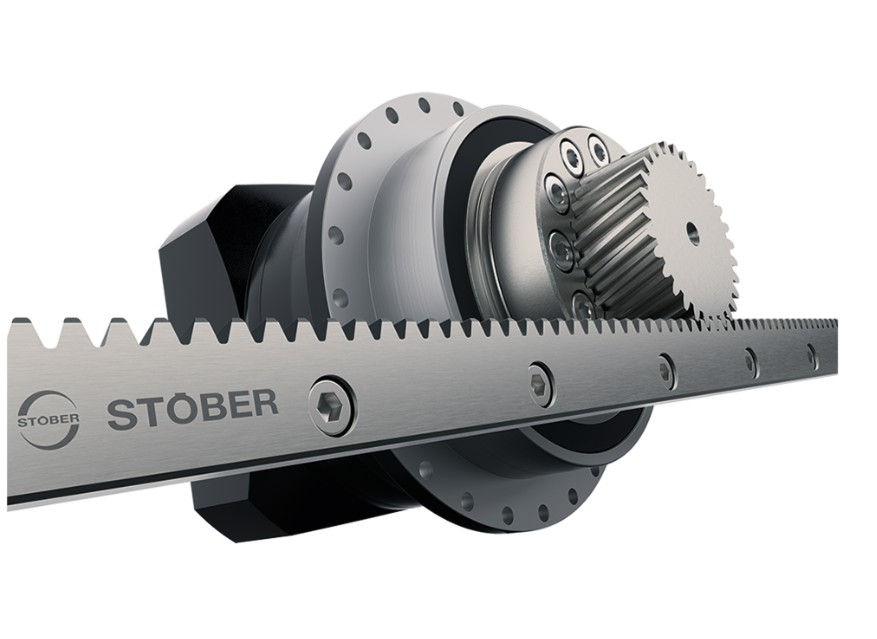 Rack and pinion systems for robotics: Benefits, design, and applications
 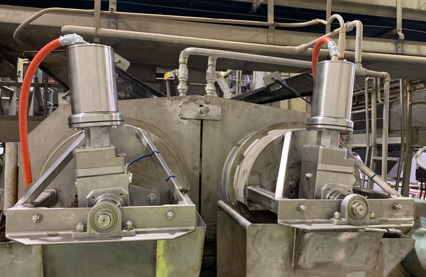 STOBER’s stainless steel solution helps food processor improve reliability in harsh washdown environment